After the Storm: What Powerful Surf Can Leave Behind on California Beaches
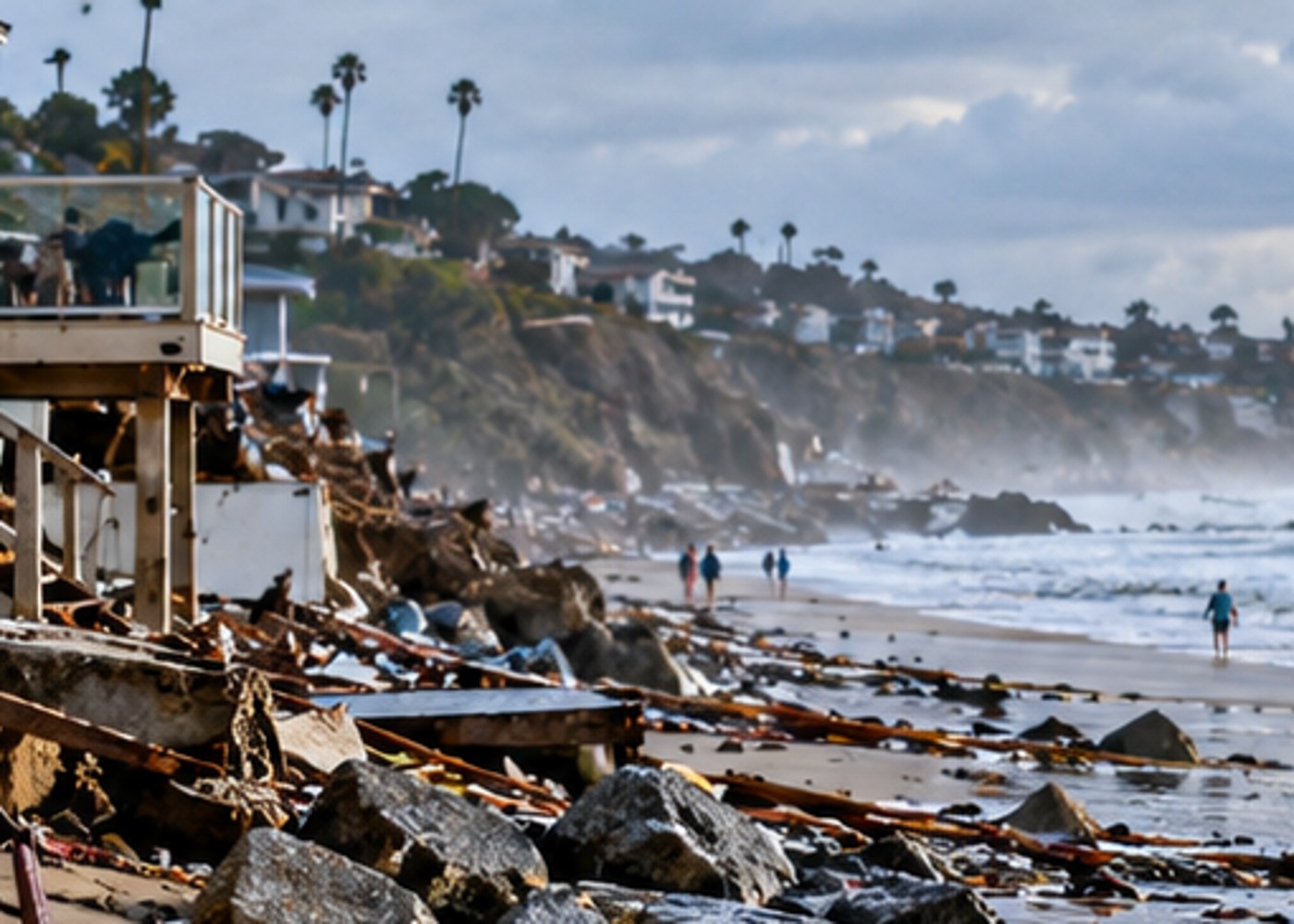
After a powerful coastal storm, a familiar beach can look completely different. Sand that once stretched toward the water may be cut into steep banks, seaweed and driftwood can cover the shoreline, and large waves may continue to break long after the rain and wind have moved on. Along Southern California’s coast, the combination of swell, tides and storm surge can rapidly rearrange beaches and expose infrastructure that usually sits safely behind the sand. Images of battered coastlines are dramatic, but a responsible storm-aftermath report needs to distinguish what can happen from what has actually been documented at a specific location. The beach and storm referenced in this feature have not been identified, so this article does not claim that a particular community suffered verified damage, that any homes were destroyed or that any named beach is currently closed. Instead, it explains the aftermath conditions residents, photographers, surfers and visitors should watch for whenever a major coastal storm passes.
The first concern after a storm is safety. Even if skies clear, powerful rip currents, large shorebreak, unstable bluffs and debris in the surf can remain dangerous. Erosion may leave unexpected drop-offs in the sand, while floodwater and runoff can affect nearshore water quality. Beachgoers should check local lifeguard instructions, posted warnings, municipal beach-closure notices and public-health advisories before entering the water. Coastal crews typically assess beach access, inspect vulnerable structures and remove hazardous debris where needed; the extent and timing of any cleanup depend on conditions at the individual beach. For anyone hoping to photograph the aftermath, the most compelling views are often the changing shoreline, wave patterns and contrast between calm skies and rough surf—but dramatic pictures should never come at the cost of approaching unstable cliffs, damaged walkways or dangerous water.
The longer-term story is how the coast recovers. Some beaches gradually regain sand through seasonal wave action, while others may need managed restoration, dune protection or infrastructure repairs. Local governments and coastal agencies may also use storms as an opportunity to reassess erosion risks and the resilience of beachfront development. For California beach lovers, the aftermath is a reminder that the shoreline is not a permanent line on a map: it is a constantly changing environment shaped by tides, waves and weather. Before planning a return visit, consult the relevant city or county beach-status page and the National Weather Service for current coastal conditions. As soon as the exact storm and beach are confirmed, this general feature can be updated with a verified damage assessment, official recovery timeline and location-specific reporting. writing your article here...
EDITORIAL NOTE
General explainer, not a verified report of damage from a specific October 2026 storm. AI-generated editorial illustration, not documentary photography.
Lock In Your Lifetime Subscription
Get full access to Candid Beach Galleries, exclusive content, new releases, and the complete archive with a lifetime subscription.