$50,000 for a New Car? When Did Buying a Normal Car Get This Expensive?
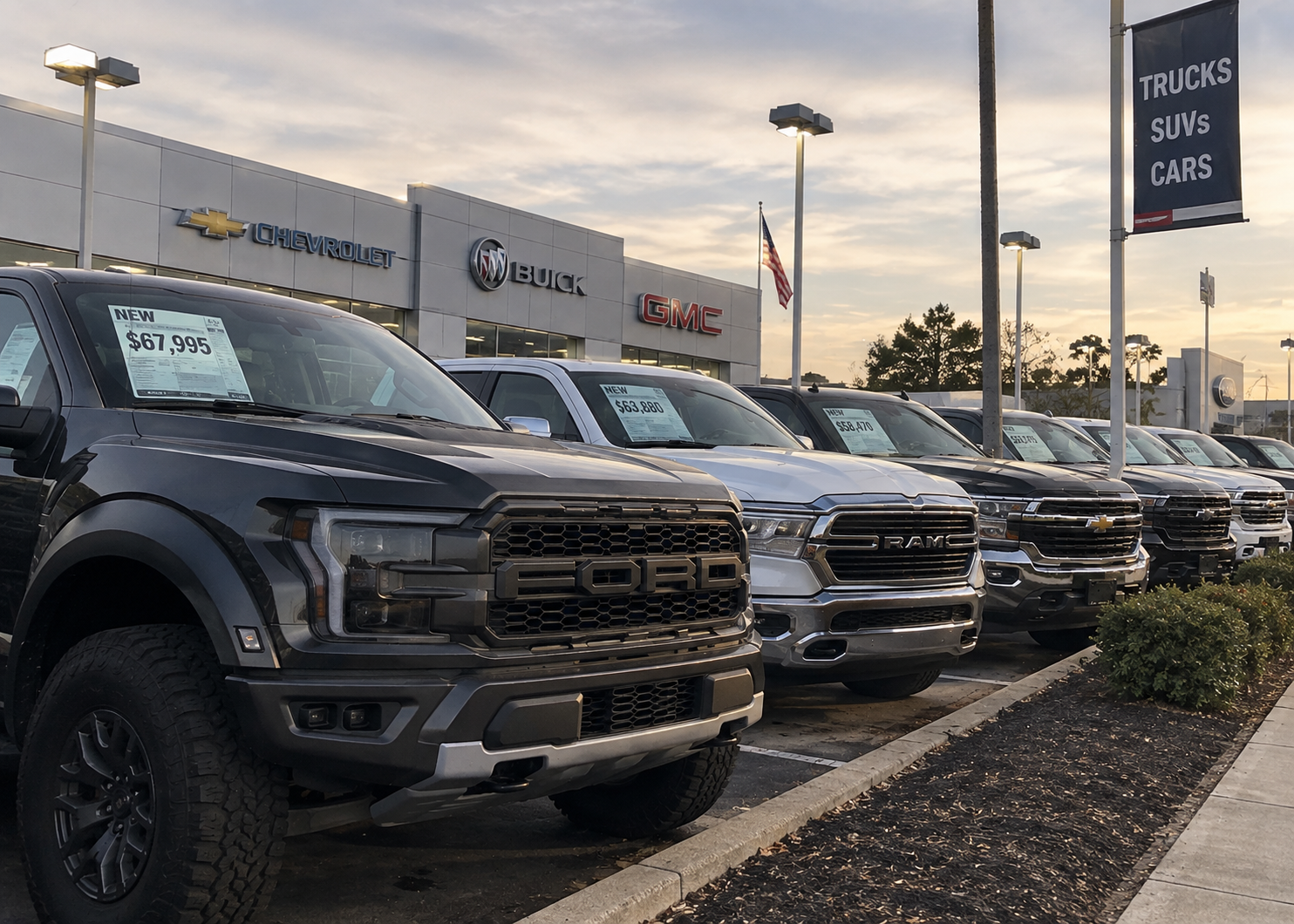
Remember when spending $50,000 on a car meant you were buying something seriously nice? Maybe a luxury sedan, a loaded sports car, or the kind of truck that made your neighbors wonder what you did for a living. Those days are disappearing fast. The average transaction price for a new vehicle in America climbed back above $50,000 in August 2026, reaching roughly $50,089, according to industry pricing data reported this week. Full-size pickup trucks are playing in an entirely different league, averaging around $67,446. Walk onto a dealership lot today looking for a new truck or SUV, start clicking a few option boxes, and suddenly you're staring at a price that would have sounded like luxury-car money not very long ago. The problem isn't simply that expensive cars exist—we've always had Mercedes-Benz, BMW, Porsche and other premium brands. It's that ordinary transportation has become increasingly expensive. Add taxes, registration, insurance and financing costs, and that shiny new vehicle can turn into a major monthly obligation before you've even driven it home.
The monthly payment is where things can really get ugly. A $50,000 vehicle financed for six or seven years can leave someone making payments for most of a decade, particularly after interest, taxes and fees are included. And that raises an obvious question: Is having a brand-new car actually worth sacrificing that much of your monthly income? Cars are useful and, for plenty of people, they're also fun. There is nothing wrong with wanting something fast, comfortable or beautiful. But there's a huge difference between being able to make a car payment and comfortably being able to afford the car. That $700, $800, $900 or even $1,000-plus monthly obligation could otherwise be going toward investments, paying down debt, building emergency savings, starting a business or eventually buying a home. Then you've still got insurance, fuel, maintenance and depreciation sitting on top of the payment. The crazy part is that after spending tens of thousands of dollars, you're still buying an asset that generally becomes worth less as you drive it. That doesn't automatically make buying a new car a bad decision, but it definitely makes the math worth examining before signing a long loan because the salesperson found a way to make the monthly number look manageable.
There's also a social side to America's obsession with expensive cars. People buy vehicles for transportation, but let's be serious: sometimes they're buying an image too. The truck, sports car or luxury SUV becomes part of how somebody wants the world to see them. Social media has only amplified that pressure. Everyone appears to have a new car, designer clothes and a perfect lifestyle, but the Instagram picture doesn't show the 72- or 84-month auto loan sitting behind the driveway photo. That's also why keeping an older car isn't necessarily the embarrassment people sometimes make it out to be. If your ten-year-old Honda, Toyota, Ford or Chevrolet starts every morning, gets you where you're going and isn't draining your bank account, keeping it another couple of years could be one of the smarter financial decisions you make. A clean, dependable older car that's paid off can provide something a brand-new $60,000 SUV can't: no car payment. There's a certain freedom in knowing the vehicle sitting outside belongs to you instead of effectively spending the next seven years paying for it.
So maybe the question isn't whether Americans can keep buying $50,000 vehicles. Clearly, plenty of people will. The better question is whether we should automatically treat increasingly expensive vehicles as normal. When the average new car crosses $50,000 and an average full-size pickup approaches $70,000, buying a vehicle becomes a serious financial decision rather than a routine purchase. There are still situations where buying new makes sense, particularly if you can comfortably afford it, plan to keep the vehicle for many years, receive favorable financing and value the warranty and reliability that come with a new car. But there's also nothing wrong with driving the older car, buying used, skipping the luxury package or waiting until your finances are stronger. Your car should make your life easier—not become the reason you're broke every month. So before signing for that beautiful new ride, forget what everybody else is driving for a minute and look at your own numbers. Because the person driving the $70,000 truck might look richer at the stoplight, but the person next to them in a paid-off beater could actually have a lot more money in the bank.
Lock In Your Lifetime Subscription
Want the full unedited blueprint on modern dating psychology, building real leverage, and cutting through the noise? Get every drop, archive piece, and insider article available to you.